|
 |
Місто Луцьк |
|
Місто Луцьк є обласним центром Волинської області, яка знаходиться на крайньому північному заході України. Через місто протікає річка Стир. Населення міста Луцька – понад 208 тисяч мешканців. Площа міста – 42 кв. км. Із заходу на схід і з півночі на південь воно розкинулось відповідно на 10 і 15 км. Мінімальна кількість опадів за рік - 309мм, максимальна – 764мм. Клімат – помірно-континентальний. Середньостатистична температура для січня – (-17? С), для липня – (+23?С).
На берегах річки Стир виявлено поселення, що вчені називають палеолітичними, вони існували за 15 тисяч років до сучасності. Близько чотирьох тисяч
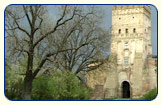
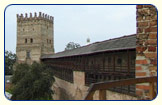 років тому на території міста залишили свої сліди племена лінійно-стрічкової кераміки, а у VII - VIII століттях нашої ери на острові, що знаходився в оточенні річок Стир і Глушець та непрохідних багнистих заплав, знаходилися східнослов’янські поселення. На найвищому пагорбі у той час були побудовані укріплення, що переросли в замок, який назвали Верхнім. Перша писемна згадка в Іпатіївському літописі про Луцьк, датована 1085 роком, говорить про ці укріплення уже як про міцну фортецю. Місто розташовувалось на перетині торгівельних шляхів із північноприбалтійських держав до Візантії, що сприяло його збагаченню. Великий князь Волині й Галичини Роман Мстиславович створив із цих князівств могутнє державне об’єднання. Його син Данило Галицький, який в хроніках того часу іменував себе королем на європейський звичай, у 1227 році посів у Луцьку. У 1240 році монголо-татари місто не взяли, у 1257 році – не піддалось воно орді Куремси, але в 1259 році жителі самі змушені були зруйнувати оборонні вали. Майже століття у Луцьку ще правили місцеві князі, але зміцнілі бояри у 1340 році отруїли князя Юрія-Болеслава ІІ і запросили на престол литовського князя Любарта, одруженого з Волинською княжною. Завдяки вигідному розташуванню у Литовській державі Луцьк став фактично її другою столицею. Лучани змогли зібрати і виставити свій полк у Грюнвальдській битві, а після перемоги над Тевтонським орденом Луцьк став відомим політичним центром, де у
 1429р. відбулася вікопомна зустріч монархів європейських країн, на якій обговорювали питання єднання християнських церков.
Магдебурзьке право дароване місту 1432 року, грамота про що зобов"язувала лучан захищати укріплення і влаштовувати три ярмарки щороку. У місті складувалась сіль з чорноморських лиманів і галицького Прикарпаття, яку потім відправляли у литовські і східні руські землі. Населення багатшало і його обійстя стали привабливими для войовничих зайд. У 1453 році місто грабували татари заволзькі, у 1459 – кримські, а у 1500 році татарська орда дощенту спалила місто. У 1540 році пожежею знищено усі міські книги, то ж реконструкція історії Луцька багато в чому базується на аналізі особливостей архітектурних споруд, що збереглися до наших днів. У 1985 році урядом України прийнято рішення про оголошення комплексу пам"яток Старого міста історико-культурним заповідником республіканського значення. Після Люблінської унії 1569 року Луцьк потрапляє під владу Польщі.
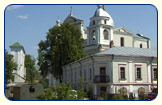
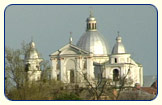
В цей час інтенсивно освоюється заболочена територія на захід від замків. Сюди поступово переміщується центр міста, – тут будується палац Вітовта, ратуша, поселяється вірменська колонія. Поруч з нею розташувалося єврейське поселення. Поблизу майдану “Братський Міст” потопає в зелені Хресто-Воздвиженська церква – чи не головна споруда монастиря василіан, що уособлює боротьбу православних українців з засиллям католицизму. У 1617 році у Луцьку було створено, одне з перших в Україні, Воздвиженське (Чеснохрестське) братство.
 Його членами були Петро Могила, Ісаакій Борискевич, Галшка Гулевичівна. У приміщенні братства збудовано першу в Луцьку друкарню.
З козацьких повстань відомо, що у 1595 році Луцьк захопив Северин Наливайко, події війни під проводом Богдана Хмельницького торкнулися Волині лиш тим, що на її землях проводили битви (Пиляви, Берестечко), а 1648 року загони на чолі з Федором Липкою громили заможних міщан.
Після ІІІ поділу Польщі Луцьк переходить під протекторат Російської імперії, з 1795 року Луцьк стає повітовим центром Волинського намісництва, а згодом – Волинської губернії. Поблизу Собору святих апостолів Петра і Павла примостився маленький двоповерховий будиночок, що здобув славу саме завдяки своїм мешканцям – у 90-х роках ІХ століття тут проживала родина Косачів, що подарувала Україні двох талановитих письменниць – Олену Пчілку та Лесю Українку. Сім’я Косачів оселилася в мурованому домі недалеко від замку у 1878 році. Дружина луцького мирового посередника Петра Косача Олена Пчілка (Ольга Петрівна Косач) зробила багато для збирання і систематизації волинського фольклору.
Парк культури і відпочинку ім. Лесі Українки закладено в п’ятдесятих роках ХХ ст. понад 100 гектарів заболочених лугів було засаджено деревами, яких сьогодні там - понад 80 видів. На центральній площі міста - Театральній - у 1977 році споруджено пам"ятник Лесі Українці.
В історію І світової війни Луцьк
 ввійшов завдяки „Брусиловському” або „Луцькому” прориву, коли в 1916 році війська Південно-західного фронту завдали нищівного удару німецько-австрійським військам, а події революції 1917 року у Луцьку описуються швидкими змінами влади – у березні владу на себе взяла Рада громадських організацій, у вересні було обрано міську думу, у листопаді владу захопив військовий революційний комітет, а після встановлення гетьманату у лютому 1918 року Луцьк зайняли німецькі війська. В грудні 1918 року владу проголосила Директорія, 22 січня 1919 року офіційно проголошено Акт Злуки УНР та ЗУНР, а вже в травні 1919 року в місто вступили польські частини. Через рік поляків витісняють з міста війська І Кінної Армії червоних, організовується ревком. Однак з 17 вересня 1920 року Луцьк знову зайняли польські війська і відповідно до Ризького мирного договору перебували на Волині до 1939 року.
За пактом Молотова - Ріббентропа у вересні 1939 року до Луцька вступили частини Червоної армії, була встановлена радянська влада, відновлена після перемоги Радянської армії у Другій Світовій війні. В ході війни місто зазнало значних руйнацій, тож у повоєнний період його інфраструктура була повністю оновлена. Архітекторами було розроблено генеральний план відбудови та реконструкції Луцька, згідно з яким - сформовано новий центр міста, забудовано головну вулицю Леніна (тепер проспект Волі), з центральною площею та адміністративними спорудами. Планом, розрахованим на 25 років, передбачалось створити новітні архітектурні ансамблі, облаштувати зони відпочинку з
 зеленими насадженнями, поліпшити комунальне господарство і благоустрій міста.
За другим Генеральним планом передбачалась розбудова 7 житлових мікрорайонів довкола стародавнього історичного ядра, а також утворити 3 промислові зони – Північну, Східну і Південну. На початку 70-х років вже Волинським філіалом Діпроміста додатково було зроблено проекти комплексної забудови Завокзального і Гнідавського житлових районів.
70-і роки ХХ ст. відзначалися значним ростом промисловості і населення міста. З 50 тисяч мешканців за десять років місто виросло до 200 тисяч. Поступово Луцьк стає зеленим, чистим, ошатним, впорядкованим обласним центром.
На зламі української історії у 1989 - 91 роках Луцьк першим підняв національний прапор України над міською радою. Почався новий відлік і спрямування життя і розвитку. Актуальними питаннями розвитку міста стали благоустрій, гармонізацій екстер’єру його вулиць, фасадів будинків, скверів і парків, громадських і торгово-побутових закладів. Першими заходами нової генерації архітекторів, будівельників, бізнес-кіл стали благоустрій проспекту Волі з облаштуванням головної площі, встановленням пам’ятника Тарасу Шевченку. Далі йшла реконструкція вулиці Богдана Хмельницького з відкриттям скульптурного зображення патрона нашого міста – Святого Миколая. Практично заново було відновлено вулицю Данила Галицького у Старому місті із спорудженням на новоутвореній площі пам’ятного знака на честь двотисячоліття Різдва Христового. Новою окрасою міста став реконструйований Майдан Грушевського і встановлений тут пам’ятник першому Президенту України – Михайлу Грушевському. Окрім того, за останні роки у місті з’явились кілька нових тролейбусних ліній, культурно-спортивних об’єктів, а також чимало скверів і зон відпочинку, де встановлено зразки сучасної паркової скульптури, створені під час проведення у Луцьку міжнародного пленеру кам’яної пластики.
Впродовж останнього часу благоустрій міста традиційно проводиться у три етапи щороку. В усіх перетвореннях ми намагаємось зберегти історичну самобутність, поєднавши її з сучасними елементами архітектури і благоустрою.
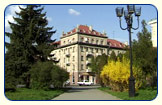 Успіхи у цьому напрямку було оцінено визнанням Луцька два роки поспіль – у 2000-му та 2001- му - містом найкращого благоустрою в Україні серед другої категорії міст.
Місто має аеропорт, але на часі він не діє. Так само річковий порт “Стир” законсервовано з 1993р. у зв’язку з екологічними проблемами.
В межах Волині діє два митних переходи на україно-польській ділянці кордону і один – на україно-білоруській ділянці. У Луцьку функціонує митний пост.
Луцьк пов’язаний залізницею з Києвом, Львовом, Сімферополем, Чернівцями, Одесою, Берліном, Варшавою. Протяжність ліній міського електричного транспорту – 97,5 км.
Протяжність автошляхів з твердим покриттям в області – 5540 км. Через Луцьк проходить дорога державного значення. Автомобільним транспортом за І півріччя 2002 року перевезено 130,2 тис. тон вантажів та 1,4 млн. пасажирів. Середня дальність перевезень становить 187,9 км для вантажних авто та 27,4 км для пасажирських перевезень.
Сучасна система трубопровідного транспорту Волині, забезпечуючи зовнішні і внутрішні транспортно-економічні зв’язки області, включає магістральні газопроводи міжнародного і державного значення, по яких здійснюється транзит газу за межі області, і місцеві трубопроводи та продуктопроводи (обласного значення), по яких здійснюється газо-, водо- і нафтопостачання господарського комплексу області. Розвиток і робота магістральних газопроводів на Волині реалізується за рахунок її транзитного положення по відношенню до основних районів добування газу (які знаходяться поза межами області і навіть країни), з одного боку, і основних споживачів, з іншого. Головна транзитна газова магістраль, яка перетинає область: Івацевичі – Ковель-Долина (має дві нитки і тягнеться в межах області на 162 км) і має два відгалуження Турійськ-Рожище-Рівне (106 км в межах області) і Ратне-Камінь-Каширський (30). Окрім того, до обласного центру прокладено газопровід-відгалуження від Дубно. Нафтопроводів на території Волинської області немає.
Підприємствами зв’язку надано послуг за півроку на 16,2 млн. гривень. В місті діє 21 поштове відділення зв’язку, які охоплюють всі райони міста.
В даний час 7 автоматичних телефонних станцій, загальномонтованою ємністю до 50 тис. номерів забезпечує міський телефонний зв’язок. Кiлькiсть телефонних апаратiв складає 51,5 тис., в тому числi 41 тис. квартирних; радiоточок - 53,2 тис., в тому числi квартирних - 47,2. Протяжнiсть телефонних лiнiй становить 1 488,8км./каб., а радiолiнiй - 96 км./каб. Щільність телефонної мережі становить 64,62 телефонів на 100 сімей. В перспективі до 2003 року передбачається збільшити до 64 тис.номерів загальномонтовану ємність АТС, а до 2005року - до 80 тис.номерів.
Паралельно з підприємством ’’Укртелеком’’, яке надає послуги по міжміському зв’язку, в місті діє Луцька філія УТЕЛ,
 яка на сучасному рівні виконує замовлення на міжміські та міжнародні переговори.
У Луцьку успішно функціонують наступні фірми-провайдери Інтернету: “Фотаком”, «Візор», “Інфоком».
В умовах структурної перебудови економіки Луцьк має гарні здобутки. Вповні збережено різногалузевий промисловий сектор, котрий має стійку тенденцію нарощування обсягів виробництва і забезпечує половину валового продукту області.
У місті випуском промислової продукції займається 52 підприємства основного кола та 120 малих промислових підприємств, кількість працюючих в промисловості становить 16,1 тис. чол. Середньомісячна заробітна плата складає 327 грн. За і півріччя 2002 року обсяг промислового виробництва склав 223,8 млн.гривень, причому 89,7% припадає на обробну промисловість.
Найбільшу питому вагу в загальному обсязі ТНС займають продовольчі товари. Майже 50% обсягів продукції виробляється харчовою та переробною промисловістю. Важливою галуззю промисловості є машинобудування. Стабільну роботу підприємств галузі забезпечували, зокрема залучені іноземні інвестиції. Головні пріоритети хімічної галузі базуються на розширенні асортименту та збільшенні товарів соціальної спрямованості. У деревообробній промисловості реалізовується проект Світового банку щодо низько витратної реструктуризації підприємств, до якого залучено АТ „Луцький меблевий комбінат”. У приладобудуванні розширюють та удосконалюють виробництво сучасних засобів обліку витрачання гарячої і холодної води, регуляторів тиску газу, приладів контактної термометрії. Залишається складним фінансовий стан підприємств легкої промисловості, які працюють переважно на давальницькій сировині.
У структурі обсягів промислового виробництва за формами власності найбільша частка підприємств колективної власності (83,6%), і набагато менша – комунальної (3,6%), приватної (5,5%), державної (5,5%), міжнародних організацій та юридичних осіб інших держав – 1,8%.
У 2000
 році інвестиції в основний капітал за рахунок усіх джерел фінансування становили 76,3 млн. грн. Основним їх джерелом були кошти підприємств та організацій (65,4% загального обсягу вкладень), держбюджету – 9%, місцевого бюджету – 5,2%, кошти іноземних інвесторів, кредити банків, кошти населення – 20,4%.
76,9% сукупного експорту з Волині припадає на Луцьк. Це дає можливість залучення іноземних інвестиційних ресурсів. Обсяги капіталу, що надійшли в економіку міста з-за кордону протягом 1993-2000 років, перевищили 54 млн. дол.. США. У 2002 році передбачалось освоїти 240 артикулів продукції, впровадити у виробництво 30 нових технологічних процесів, причому питома вага продукції на експорт має зрости до 24%. Основними діловими партнерами області залишається Російська Федерація (24,7%), Польща (13,2%), Німеччина (12,1%).
Зовнішньо - торгівельні операції підприємства міста здійснювали з партнерами з 51 країни світу. В структурі експортних поставок переважали казеїн (25,6%, продукція тваринництва (24,1%), мінеральне паливо (12,6%), машини та устаткування (12,3%), пластмаси та каучук (5%). В структурі імпортних поставок переважали паливо і нафтопродукти (37,5%), продукція хімічної промисловості (20,7%), метали та вироби з них (13%), устаткування (13%). Найбільше товарів надійшло з Білорусії (24%), Росії (20,1%), Польщі (13,3%), Литви (12,4%).
У Луцьку працює 80% залучених на Волинь інвестицій, налагоджено багатовекторну економічну співпрацю з 25 країнами світу – Швецією, Швейцарією, Словаччиною, Польщею, Німеччиною, Францією, Росією, Китаєм, США та іншими. У найближчих намірах - розвиток взаємини з Хорватією, Італією, державами Балтії.
Близькість
 кордону сприяє інтенсивності розвитку приватного підприємництва. За рівнем бізнесової активності населення Волинь загалом і Луцьк зокрема посідає 4 місце у державі. Добре розвинена банківська система, в тому числі з частковим і повним іноземним капіталом, мережа торгівлі і побутового обслуговування. В останні роки вирізняється зростанням будівельна індустрія міста, у якій працюють, переважно, внутрішні інвестиції. Добре розвинена і збалансована система транспортного забезпечення. Обласний центр – територія де реалізовується близько десятка міжнародних і загальнодержавних пілотних проектів і програм. А місцева законодавча ініціатива не раз здобувала підтвердження у вигляді державних законів. Це накладає на міську владу особливу відповідальність та визначає пріоритети діяльності. Дбаючи про добру славу Луцька як естетично довершеного ансамблю, здійснено значні капіталовкладення у благоустрій його території, що включає реконструкцію вулиць, ремонт фасадів будівель, впорядкування зелених насаджень та озеленення міста. Ще одним напрямком роботи є розвиток системи фірмової торгівлі.
Географічне розташування створює необхідні умови для активної міжнародної співпраці з прикордонними воєводствами Польщі та налагодження добросусідських відносин з іншими країнами близького і далекого зарубіжжя. Луцьк має багаторічний досвід співробітництва з містами-побратимами у сферах розвитку комунікацій, освіти і медицини, транспорту і зв’язку, культури і спорту, екології і торгівлі. З ініціативи міської ради створено банк даних суб’єктів підприємницької діяльності Луцька, зацікавлених у співпраці з іноземними партнерами. Зусилля спрямовуються на створення сприятливого клімату у місті для розвитку ділових контактів із бізнесменами інших держав та для залучення іноземних інвестицій.
Луцьк славиться репутацією надійного партнера, дбайливого господаря, доброзичливого сусіда. Лучани люблять своє місто і завжди раді гостям, яких зустрінуть зі щирою українською гостинністю. Це – місто, де достойно протидіють життєвим випробуванням і цінують людяність. У своїй діяльності ми керуємося принципами економічної ефективності, християнської моралі, професіоналізму, національних та місцевих інтересів, віримо у сильну громаду і зуміємо розбудувати життя в нашому місті, аби стати прикладом для наслідування. |